Supporting Locally-led Nature Recovery in Scotland & Devon
The UK is one of the most nature-depleted countries in the world.
70% of its key statutory nature targets are unlikely to be met by 2030 (Office for Environmental Protection).
To address this, communities across the UK are taking action to restore habitats and protect native species. Here are some inspiring examples of grassroots, nature-based solutions set to make a real difference.
Thank you British Airways Better World Community Fund and Crowdfunder for making this work possible. Explore the projects below and click on each title to support vital nature recovery work on Crowdfunder.
Scotland
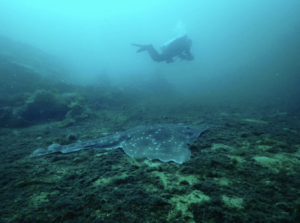
Scotland’s sharks and skates including the critically endangered flapper skate are under serious threat from fishing, habitat loss, and growing industrial activity at sea.
Using innovative underwater camera systems and community-led science, Highlands & Islands Environment Foundation is proud to support the work of The Orkney Skate Trust uncovering critical habitats and breeding areas essential for their survival.
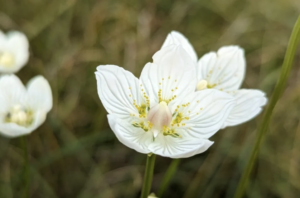
Munsary, part of the UNESCO-designated Flow Country in Scotland, is a critically important peatland that stores around 1.9 million tonnes of carbon. Sadly, centuries of drainage, erosion, and invasive conifers have severely degraded the habitat. Plantlife will restore peatland hydrology, stabilise eroding peat, remove invasive conifers, and protect key species like the Grass of Parnassus. The aim is to enhance biodiversity, sequester carbon, and improve the long-term resilience of this unique landscape.
Devon
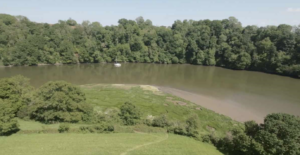
Saltmarshes are among the UK’s most threatened habitats, with over 85% already lost, and remaining areas along the River Dart under increasing pressure from erosion and climate change. Devon Environment Foundation is proud to support the work of The Sharpham Trust to restore a historic drystone wall to prevent further erosion, protecting 7,850m² of saltmarsh at Sharpham. Saltmarshes provide vital environmental benefits: they store carbon up to 40 times faster than woodland, and support a rich mosaic of birds, mammals, fish, plants, and invertebrates.
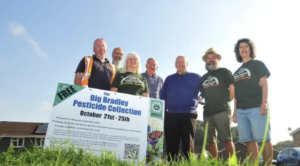
Widespread pesticide use in Devon is harming pollinators, freshwater wildlife, and ecosystem health, while increasing chemical pollution in public spaces and waterways.Pesticide-Free Devon supports communities, councils, farmers, and land managers to reduce pesticide use and adopt safer, nature-friendly practices through local action and partnerships.
Thank you to British Airways Better World Community Fund and Crowdfunder for making this work possible.